Quick Answer

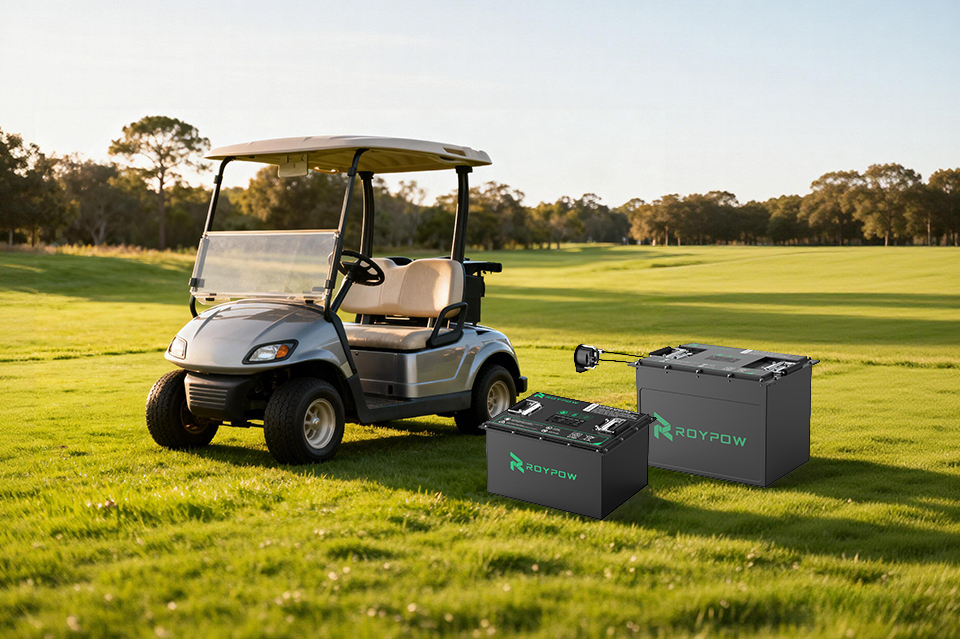
If you want the best battery for a Yamaha golf cart in 2026, the practical answer for most owners in the global world market is a high-quality LiFePO4 lithium battery system matched to the cart’s voltage, controller, charger, tray space and driving habits. Lead-acid batteries remain the lowest upfront-cost option, and AGM batteries offer a sealed, lower-maintenance lead-based alternative, but LiFePO4 batteries usually win on total lifetime value, usable capacity, weight reduction, charging speed, cycle life, consistency on hills and maintenance requirements.
For older Yamaha G-Series carts such as G14, G16, G19 and G22, the choice normally starts with identifying whether the cart is a 36V or 48V system and then selecting a lithium replacement that fits the battery bay safely. For Yamaha Drive G29 models, many electric versions use 48V systems, so a properly configured 48V lithium pack is usually the most efficient upgrade. For newer Yamaha Drive2 models, compatibility with Yamaha’s PowerTech AC drive system, regenerative braking behavior, onboard electronics and charger communication should be checked before purchase.
For a typical golf course round, resort shuttle route or gated-community drive, many owners choose 48V lithium batteries between 60Ah and 105Ah. Light users may be satisfied with a smaller pack, while hilly courses, two-row seating, utility boxes, hunting properties, long resort loops or commercial use may require higher capacity. If you regularly drive between neighborhoods, marinas, hotels, campuses or large leisure facilities, do not choose capacity only by price; choose it by real daily distance, terrain, passenger weight, accessories and reserve range.
In short, the best Yamaha golf cart battery is not one universal model. It is the safest and most compatible system for your Yamaha platform, with enough amp-hours for your daily route, a matching battery management system, a correct charger and dependable after-sales support. Owners comparing modern drop-in systems can review ROYPOW Golf Cart Batteries for 36V, 48V and 72V lithium options designed as lead-acid replacements.
The quick buying formula is simple: confirm voltage, measure the tray, check controller requirements, select chemistry, match Ah to driving distance, verify charger compatibility, confirm mounting and cable layout, then buy from a supplier that can support installation, warranty and troubleshooting in your region. In global hubs such as Los Angeles, Rotterdam, Dubai, Singapore, São Paulo, Sydney, Durban and Hamburg, availability, certification and service responsiveness can be just as important as the battery label.
What to Consider When Choosing a Yamaha Golf Cart Battery

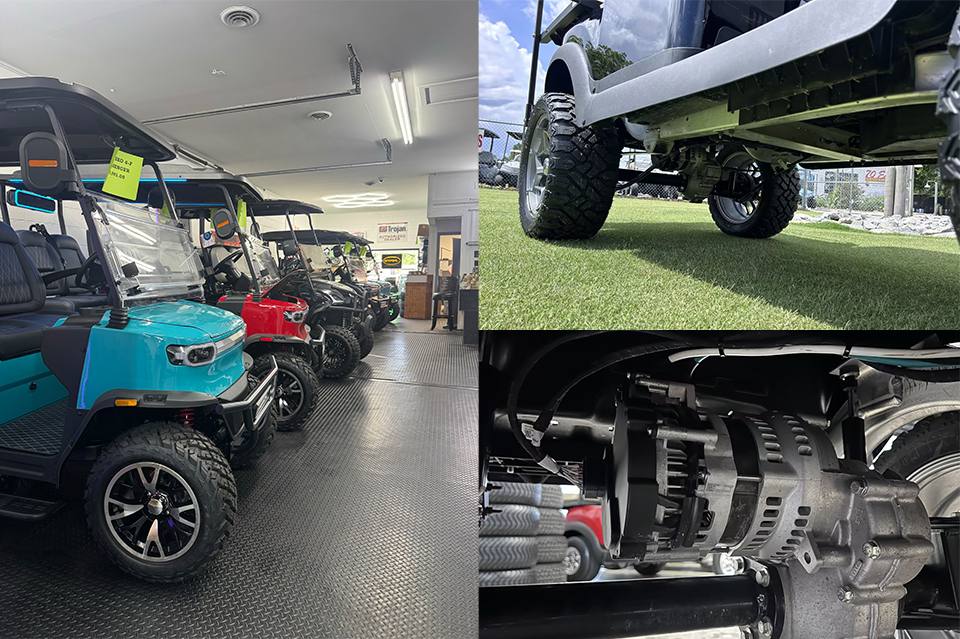
Choosing a Yamaha golf cart battery is a technical and practical decision. A battery is not only an energy box; it affects acceleration, hill-climbing, stopping behavior, controller performance, tire wear, range, charging routine and long-term maintenance cost. Yamaha golf carts are used in private communities, golf resorts, hospitality fleets, industrial sites, farms, campuses, ports, airports and recreational properties across the world, so the right choice depends on how and where the cart works.
The first consideration is system voltage. Yamaha carts have been produced in different electrical architectures, commonly including 36V and 48V systems for many electric golf carts. Some upgraded or specialty builds may use 72V systems, especially where stronger performance is desired. Never guess the voltage. Check the owner’s manual, battery configuration, motor controller label, charger output and existing battery wiring. Installing the wrong voltage can damage the controller, charger, solenoid, motor or onboard electronics.
The second consideration is battery chemistry. Flooded lead-acid batteries are familiar and widely available, but they require watering, equalization, terminal cleaning and ventilation. AGM batteries are sealed and cleaner but still heavy and typically offer less cycle life than LiFePO4. Lithium iron phosphate batteries are lighter, more efficient, faster charging and longer lasting, but they require an integrated BMS and a suitable charger profile. The decision should be based on total ownership cost rather than purchase price alone.
The third consideration is real-world capacity. Amp-hours printed on a battery do not always translate equally across chemistries. Lead-acid batteries suffer from voltage sag and should not be deeply discharged if you want acceptable service life. LiFePO4 batteries allow deeper usable capacity and maintain voltage better under load. A 100Ah lithium system may often deliver more practical range than a larger nominal lead-acid bank because more of its stored energy is usable and the cart carries less weight.
The fourth consideration is physical fit. Yamaha battery trays differ by model generation and by previous modifications. Check length, width, height, hold-down points, cable reach and clearance under the seat. If a cart has aftermarket rear seats, lift kits, utility beds, sound systems, coolers, lighting kits or inverters, the energy demand and installation space may change. A compact lithium pack can free up space, but it must be mounted securely and protected from abrasion, vibration and water intrusion.
The fifth consideration is charging infrastructure. The charger must match the battery chemistry, voltage and charging current recommendation. A lead-acid charger may not be appropriate for lithium unless it has an approved lithium profile. Using the wrong charger can cause undercharging, overcharging, BMS shutdown or reduced battery life. Many owners upgrading to lithium also replace the charger with a dedicated Golf Cart Battery Charger designed for the correct voltage and battery chemistry.
The sixth consideration is temperature and climate. Carts in Phoenix, Riyadh, Dubai and northern Australia face intense heat. Carts in Toronto, Stockholm, Seoul, Munich and mountainous regions may see cold storage or winter operation. LiFePO4 chemistry is stable and safe, but charging below freezing requires battery protection or a low-temperature charging strategy. Heat also affects all battery types, so airflow, storage practice and correct charging matter.
The seventh consideration is service support. A battery purchase is not finished when the box arrives. Good suppliers provide installation guidance, wiring documentation, warranty terms, technical support, diagnostics and spare parts. For commercial fleets, the ability to get quick response in major trade and tourism hubs can reduce downtime. A resort fleet in Phuket, a campus in California, a golf club near London or a marina in Cape Town all need batteries that can be supported after installation.
| Buying Factor | Why It Matters | What to Check | Typical Mistake |
|---|---|---|---|
| Voltage | Determines compatibility with motor, controller and charger | 36V, 48V or 72V system label and wiring layout | Assuming all Yamaha carts use the same voltage |
| Capacity | Controls practical driving range and reserve energy | Ah rating, usable energy and daily route distance | Buying the cheapest pack without reserve range |
| Chemistry | Affects weight, lifespan, maintenance and charging | Lead-acid, AGM or LiFePO4 requirements | Comparing only upfront price |
| Physical fit | Prevents unsafe mounting and cable stress | Tray dimensions, height, hold-downs and terminals | Ignoring seat clearance or cable reach |
| Charger | Protects battery health and ensures full charge | Voltage, current and charge profile | Using an old lead-acid charger for lithium |
| BMS protection | Protects against overcurrent, overcharge and temperature issues | Continuous current, peak current and protections | Choosing a pack with weak discharge capability |
| Warranty and service | Reduces risk over years of ownership | Dealer support, documentation and claim process | Buying from an anonymous seller with no local help |
This table shows why a Yamaha golf cart battery should be selected as a complete power system, not as a single specification. Voltage, chemistry, capacity, charger and service support work together. A well-matched battery can make an older Yamaha feel more responsive, while a poorly matched battery can create faults even if its advertised capacity looks attractive.
Lead-Acid vs AGM vs Lithium (LiFePO4): Full Comparison

The three most common battery options for Yamaha golf carts are flooded lead-acid, AGM and lithium iron phosphate. Each has a place in the market, and each can be the right choice for a particular budget or use case. However, the global trend in golf carts, low-speed vehicles and light electric utility vehicles is clearly moving toward LiFePO4 because owners want lower maintenance, longer cycle life, better energy efficiency and less weight.
Flooded lead-acid batteries are the traditional option. They are available almost everywhere, from local battery shops in small towns to large distributors near ports such as Long Beach, Antwerp, Jebel Ali, Busan and Santos. Their main advantage is low initial cost. Their disadvantages include heavy weight, regular watering, acid handling, corrosion, off-gassing, slower charging and shorter life when deeply discharged. For owners who drive only occasionally and have a tight upfront budget, lead-acid may still be acceptable.
AGM, or absorbent glass mat, is a sealed lead-acid technology. AGM batteries reduce watering and acid spill concerns, which makes them cleaner than flooded batteries. They are often used where maintenance access is limited. However, AGM batteries are still heavy, still lead-based and still less efficient than LiFePO4 in most golf cart applications. They can also be sensitive to overcharging and heat. AGM can be a middle-ground choice, but it is not usually the best long-term value for high-use Yamaha carts.
LiFePO4 batteries are lithium iron phosphate batteries. They are known for thermal stability, long cycle life, high usable capacity, low self-discharge, reduced weight and consistent voltage delivery. In a Yamaha golf cart, a LiFePO4 upgrade can reduce several hundred pounds compared with a full lead-acid bank. That weight reduction can improve acceleration, braking response, tire life and range. Lithium systems also charge faster and do not require watering or acid cleaning.
The main concern with lithium is not the chemistry itself but the quality of the system. A good lithium battery requires a properly engineered BMS, durable enclosure, reliable cells, correct cabling, safe mounting and a charger that matches the pack. Extremely cheap lithium packs may use lower-grade cells or insufficient BMS capacity, which can cause shutdowns during hill climbing or acceleration. For Yamaha owners, especially those with Drive or Drive2 models, system-level compatibility is more important than chasing the lowest online price.
| Feature | Flooded Lead-Acid | AGM | LiFePO4 Lithium |
|---|---|---|---|
| Upfront cost | Lowest | Medium | Highest initial purchase |
| Lifetime value | Lower for frequent use | Moderate | High due to long cycle life |
| Maintenance | Watering and cleaning required | Low maintenance | Very low maintenance |
| Weight | Very heavy | Heavy | Much lighter |
| Usable capacity | Limited by depth of discharge | Moderate | High usable capacity |
| Charging speed | Slow to moderate | Moderate | Fast with correct charger |
| Voltage stability | Declines noticeably under load | Better than flooded but still declines | Strong and consistent |
| Best use case | Occasional low-budget use | Clean sealed lead-acid replacement | Performance, range and low maintenance |
The comparison makes the trade-off clear. Lead-acid can work when the cart is used lightly and purchase price is the dominant factor. AGM can reduce maintenance but does not fully solve weight or cycle-life limitations. LiFePO4 is usually the best choice for owners who expect reliable range, frequent use, fast charging and lower long-term cost.
Sustainability is also part of the 2026 decision. Around the world, golf courses, resorts and municipalities are under pressure to reduce emissions, noise, chemical exposure and maintenance waste. Lithium systems support electrification goals by improving energy efficiency and reducing the need for repeated lead-acid battery replacement. Future policies in the European Union, North America, the Gulf region and Asia-Pacific are expected to keep pushing fleets toward cleaner, longer-lasting energy storage with better traceability and recycling practices.
Best Battery for Yamaha G-Series (G14-G22) Owners
Yamaha G-Series electric carts remain popular in many markets because they are durable, simple and easy to service. Models such as the G14, G16, G19 and G22 are found at golf clubs, retirement communities, farms, parks and private estates. These carts may have changed hands several times, so the first step is to inspect what is actually installed rather than relying only on model year assumptions.
Many G-Series carts are 36V or 48V systems. A 36V cart may have six 6V lead-acid batteries, while a 48V system may use six 8V batteries, eight 6V batteries or another configuration depending on modifications. When upgrading to lithium, owners can often replace the full lead-acid bank with one or more lithium batteries that provide the correct system voltage. For 36V carts, ROYPOW 36V Golf Cart Batteries are an example of purpose-built LiFePO4 options for lead-acid replacement applications.
The best G-Series battery depends on whether the cart is stock or modified. A stock two-passenger cart used on flat neighborhood roads may not need extremely high capacity. A lifted cart with all-terrain tires, rear seats, a cargo box and LED accessories needs more current capability and capacity. If the cart climbs hills or carries four passengers, the BMS must handle peak loads without nuisance shutdowns.
Older carts also deserve a wiring inspection before any battery upgrade. Corroded cables, weak solenoids, worn connectors and aging chargers can undermine a new battery. Lithium upgrades often reveal problems that were hidden by the slow behavior of old lead-acid packs. Before installation, check main cables, F&R switch condition, controller rating, motor condition, brake adjustment and tire pressure. A battery should not be expected to fix every mechanical or electrical issue.
For G-Series owners in markets where spare parts are imported through ports such as Vancouver, Durban, Singapore, Rotterdam or Melbourne, planning ahead is useful. Order the correct charger, hold-down brackets, cables and meter at the same time as the battery. This reduces downtime and avoids mismatched components. For remote properties, farms or island resorts, dependable range and low maintenance are often worth more than a small upfront saving.
| Yamaha G-Series Use Case | Suggested Voltage Focus | Capacity Direction | Recommended Chemistry | Notes |
|---|---|---|---|---|
| Flat neighborhood driving | Match existing 36V or 48V | Moderate Ah | LiFePO4 or lead-acid | Choose lithium for less maintenance |
| Standard golf course rounds | 36V or 48V depending on cart | Moderate to high Ah | LiFePO4 | Consistent voltage helps complete rounds |
| Lifted four-passenger cart | Often benefits from 48V | Higher Ah and strong BMS | LiFePO4 | Check controller and cable condition |
| Farm or estate utility work | Match motor/controller system | High Ah | LiFePO4 | Reserve range matters under cargo load |
| Occasional seasonal use | Existing system voltage | Moderate Ah | AGM or LiFePO4 | Lithium has low self-discharge for storage |
| Hilly community routes | 48V preferred if compatible | High Ah and high discharge rating | LiFePO4 | Avoid weak BMS systems |
| Budget restoration | Existing voltage | Basic Ah | Lead-acid | Lowest entry cost but more maintenance |
This G-Series table highlights the importance of matching the battery to the job. A simple restoration cart and a loaded neighborhood cruiser may share a Yamaha badge, but they do not place the same demands on the battery. Owners should consider current draw, terrain and accessory load before deciding capacity.
Best Battery for Yamaha Drive (G29): 48V Recommendations
The Yamaha Drive, often known as the G29, is one of the most recognized Yamaha golf cart platforms. Many electric G29 carts use a 48V system, making 48V lithium upgrades a common recommendation. A well-designed 48V LiFePO4 pack can improve responsiveness, reduce weight and extend practical range compared with aging lead-acid batteries.
For Yamaha Drive owners, the first recommendation is to confirm that the cart is indeed a 48V model. Check the existing battery arrangement, controller label and charger output. If it is a 48V cart, a lithium pack should be selected based on current delivery as well as capacity. Some owners focus only on Ah, but a cart that climbs hills or carries passengers also needs adequate continuous and peak discharge capability.
A typical private-use G29 may perform well with a 48V lithium battery in the 60Ah to 100Ah range, depending on route length. Commercial fleets, resorts and golf courses may prefer larger capacity to avoid midday charging. For 48V systems, owners can compare ROYPOW 48V Golf Cart Batteries designed for golf cart applications where compact installation, long cycle life and low maintenance are priorities.
The G29 platform is widely used across diverse markets. In Florida communities, carts often travel between homes, clubhouses and beaches. In Mediterranean resorts, they may shuttle guests across hilly coastal properties. In Southeast Asian tourism destinations, they may operate in humid, hot environments. In Australian holiday parks, they may sit unused for weeks and then see heavy weekend operation. A lithium system handles many of these patterns well because it has low self-discharge and does not require watering after periods of storage.
Charging strategy is important for G29 owners. A lithium charger should provide the correct voltage profile and should not rely on lead-acid equalization behavior. If the cart has an onboard charger, confirm compatibility. If using an off-board charger, ensure the connector, current rating and charge algorithm are correct. A high-quality charger improves convenience and helps maximize battery service life.
Owners upgrading from lead-acid should also account for state-of-charge display differences. Traditional lead-acid meters often estimate charge by voltage, but lithium voltage remains flatter over most of the discharge curve. A lithium-compatible meter, CAN-enabled display or battery app can provide more accurate information. This is especially important for fleet managers who need to schedule charging and prevent unexpected downtime.
Best Battery for Yamaha Drive2: PowerTech-Compatible Options
The Yamaha Drive2 is a more modern platform, and electric versions may include Yamaha’s PowerTech AC technology. Because these carts can have more advanced controllers and regenerative braking characteristics, battery compatibility should be checked carefully. A Drive2 lithium upgrade should not be treated as a generic swap unless the battery supplier confirms suitability for the system.
PowerTech-compatible options need sufficient current handling, stable voltage output and BMS behavior that works well with the cart’s controller. Regenerative braking can return current to the battery, so the BMS must safely manage charging events. If the BMS disconnects unexpectedly during operation, the cart may experience fault codes or performance interruptions. This is why a Drive2 owner should prioritize engineered compatibility over bargain pricing.
For many Drive2 carts, 48V lithium remains the central recommendation, but the exact pack size depends on the cart’s usage. A golf course fleet may use carts for multiple rounds per day and require fast turnaround charging. A hotel property may use carts for guest transport from morning to midnight. A private owner may only drive a few miles a week. Each scenario calls for a different Ah level and charging schedule.
Drive2 carts are also common in premium hospitality and managed communities, where appearance, quiet operation and reliability matter. Lithium batteries help by removing acid smell, reducing maintenance labor and keeping performance consistent. Fleet operators in regions such as the Caribbean, the UAE, Spain, Thailand, Japan and coastal United States often value reduced maintenance because labor time, water quality and corrosion can be major issues for lead-acid fleets.
If you are considering a higher-performance conversion or specialty use, a 72V system may be relevant, but it must be approached as a full system project rather than a simple battery replacement. Motor, controller, charger, wiring, solenoid and safety systems all need to be compatible. ROYPOW offers 72V Golf Cart Batteries for applications where the cart’s electrical system is designed for that voltage class.
For Drive2 owners, the best practical advice is to document the cart before shopping. Take photos of the battery bay, controller, charger label, serial number plate and cable routing. Share those details with the supplier. A reputable supplier should be able to explain fitment, charger requirements, BMS capability and installation steps. If a seller cannot answer Drive2 compatibility questions, look for a better source.
Capacity Guide: Matching Ah to Your Driving Habits
Battery capacity is one of the most misunderstood parts of buying a Yamaha golf cart battery. Amp-hours are useful, but only when considered with voltage, chemistry, driving conditions and usable depth of discharge. A 48V 100Ah lithium battery stores about 5.12 kWh of nominal energy. A 48V lead-acid bank with the same nominal Ah rating may not deliver the same practical range because deep discharge shortens its life and voltage sag reduces performance.
Start by estimating your daily distance. A casual owner who drives one to three miles around a community has different needs from a resort fleet cart covering 20 miles per shift. Terrain matters heavily. Hills, soft turf, sand paths, gravel roads and stop-start driving increase energy use. So do heavy passengers, rear seats, cargo beds, lift kits, large tires, audio systems, refrigerators, sprayers and lighting accessories.
A useful approach is to choose enough capacity for your normal route plus a reserve. If your typical route uses 60% of the battery, you have margin for detours, aging, wind, hills and unexpected trips. Running any battery to empty every day is not ideal. Lithium tolerates deeper discharge better than lead-acid, but reserve capacity still improves convenience and long-term reliability.
Private users often prefer a battery that can complete multiple days of light driving between charges. Golf course operators may prefer charging after each round or shift to keep carts ready. Resorts and campuses may use opportunity charging during lunch breaks or staff shift changes. Industrial users may plan charging around work cycles. The right capacity is therefore a balance between range, charge time, charger availability and budget.
| Driving Pattern | Typical Daily Distance | Terrain and Load | Suggested Lithium Capacity | Best Fit |
|---|---|---|---|---|
| Light neighborhood use | 1 to 5 miles | Flat, two passengers | 40Ah to 60Ah | Budget-conscious private owners |
| Regular community driving | 5 to 10 miles | Mixed roads, occasional hills | 60Ah to 80Ah | Most personal Yamaha carts |
| Full golf rounds | 10 to 18 holes or more | Turf, hills, two riders and clubs | 80Ah to 105Ah | Golfers and club carts |
| Four-passenger leisure cart | 8 to 15 miles | Higher weight, stop-start use | 100Ah to 150Ah | Family and gated communities |
| Resort or hotel shuttle | 15 to 30 miles | Frequent trips and passengers | 105Ah to 160Ah | Hospitality fleets |
| Utility or maintenance work | Variable | Cargo, tools, slopes | 120Ah to 200Ah | Facilities, farms and campuses |
| High-performance build | Variable | Lifted cart, speed controller, hills | High Ah with high-discharge BMS | Custom and demanding applications |
This guide is a starting point rather than a fixed rule. The same 10-mile route can consume very different energy on a flat paved community road than on a steep resort path. When in doubt, choose a slightly larger capacity if the cart is used commercially or if running out of charge would create a safety or service problem.
Capacity planning is also affected by 2026 technology trends. Battery monitoring is improving, with smarter BMS platforms, Bluetooth or CAN communication, better state-of-charge algorithms and cloud-based fleet tracking. In the coming years, more golf cart fleets will use data to right-size batteries, schedule charging and detect weak components before failures happen. This will help operators in global markets reduce downtime and energy waste.
Top Lithium Battery Brands for Yamaha Golf Carts Compared
The lithium golf cart battery market has grown quickly. Buyers can now find global manufacturers, regional brands, online sellers and local pack assemblers. More choice is good, but it also creates confusion. The best brand is not always the one with the loudest advertisement or the lowest price. For Yamaha carts, strong engineering, stable supply, certifications, charger compatibility and service support matter.
When comparing brands, check whether the company specializes in lithium systems or simply imports generic packs. Look for cell quality, BMS design, enclosure strength, ingress protection, vibration resistance, thermal management, documentation and warranty clarity. A supplier should provide exact voltage, Ah, kWh, continuous current, peak current, charger requirements, dimensions and installation guidance. Vague specifications are a warning sign.
Global availability also matters. A battery bought in one country may be installed in a cart that later moves to another region. Golf resorts, yacht clubs, island communities and commercial fleets often depend on parts moving through international logistics corridors. Brands with manufacturing scale, regional subsidiaries and dealer networks can usually respond better than sellers with only a marketplace listing.
ROYPOW is one of the established lithium-focused brands in this field, with golf cart batteries among its motive power product lines. Buyers also encounter other lithium golf cart battery brands through dealers and online platforms. For shoppers comparing retail availability, independent listings such as Golf Cart Batteries can be useful for seeing product categories and price ranges, but technical compatibility should still be verified before purchase.
| Comparison Point | What Strong Brands Provide | Why It Matters for Yamaha Carts | Warning Sign |
|---|---|---|---|
| Engineering focus | Dedicated lithium battery design | Better BMS and pack integration | Generic product with little technical detail |
| Voltage options | 36V, 48V and sometimes 72V systems | Covers G-Series, Drive and upgraded carts | One-size-fits-all claims |
| Charger matching | Approved lithium charger options | Prevents undercharge or overcharge problems | No charger guidance |
| Discharge capability | Clear continuous and peak current ratings | Supports hills, passengers and acceleration | Only Ah rating is advertised |
| Certifications | Compliance with recognized safety standards | Important for fleets and insurers | No documentation available |
| Support network | Regional dealers and technical service | Reduces downtime after installation | Email-only support with slow replies |
| Warranty transparency | Clear terms, exclusions and process | Protects long-term investment | Unclear or unrealistic promises |
The comparison shows that brand selection is about risk management. A Yamaha golf cart battery may operate for years in heat, vibration, moisture and high-current conditions. A reputable lithium brand reduces the risk of poor fitment, weak discharge performance and unsupported warranty claims.
Looking toward 2026 and beyond, the strongest brands will likely focus on safer chemistries, smarter diagnostics, improved recycling pathways, more transparent supply chains and easier integration with fleet management systems. Policy trends in many regions are pushing for battery traceability, responsible sourcing and end-of-life handling. Buyers should expect documentation and sustainability practices to become more important in procurement decisions.
Our Company
ROYPOW TECHNOLOGY is a global company focused on lithium battery systems and energy storage solutions. In the Yamaha golf cart battery market, the company’s relevance comes from its specialization in LiFePO4 replacements for lead-acid batteries and its experience in motive power applications. Rather than producing lead-acid batteries, ROYPOW concentrates on lithium-ion systems designed to improve efficiency, runtime and maintenance outcomes for electric vehicles and industrial equipment.
Technological capabilities
ROYPOW’s technology work covers battery management systems, pack design, system integration, industrial design, inverter design and software development. For golf cart owners, this matters because a lithium battery is not only a collection of cells. The BMS must protect against overcharge, over-discharge, overcurrent, short circuit and temperature extremes. It also needs to support the current demands of acceleration, hill climbing and regenerative behavior in compatible systems.
The company’s lithium golf cart battery lineup includes voltage classes commonly needed in the market, including 36V, 48V and 72V systems. This allows owners and fleet operators to match batteries to different cart platforms rather than forcing one configuration into every application. ROYPOW’s broader motive power experience includes forklifts, aerial work platforms, floor cleaning machines, scissor lifts, trolling motors and other industrial applications, which supports a system-level understanding of electric drive requirements.
Testing capability is another important technology factor. ROYPOW operates a large testing center with high-precision instruments for battery cell testing, battery system testing, BMS testing, charger testing and energy storage testing. For customers, this supports reliability under real operating conditions such as vibration, changing loads, charging cycles and environmental stress.
Manufacturing capabilities
Manufacturing scale and process control influence product consistency. ROYPOW has manufacturing bases in China and Indonesia and operates from a large headquarters facility with advanced production infrastructure. Automated production lines, MES systems and quality management processes help reduce variation and support repeatable battery assembly.
The company’s quality systems include IATF16949 certification, and its products are designed to comply with major international and North American standards such as IEC, ISO and UL requirements where applicable. For global buyers, this is important because golf cart batteries may be used in regions with different safety expectations, import rules and fleet procurement standards.
Manufacturing capability also affects availability. As lithium adoption grows in golf carts, forklifts, RVs, marine systems, residential energy storage and commercial energy storage, stable production capacity becomes a competitive advantage. Fleet buyers in busy markets such as the United States, Brazil, the United Kingdom, Germany, Australia, Japan, Korea, South Africa and the Middle East often need predictable supply rather than one-time availability.
Service capabilities
Service is central to battery ownership. ROYPOW supports global customers through subsidiaries, regional teams and dealer networks in multiple markets, including the United States, Brazil, the United Kingdom, Germany, the Netherlands, South Africa, Iraq, Australia, Japan and Korea. This structure helps customers obtain technical guidance, warranty support and after-sales service closer to where carts operate.
The company’s service philosophy emphasizes quick response and fast resolution. For a private owner, this can mean help with charger questions or installation checks. For a golf club or resort, it can mean reducing downtime during peak season. A cart fleet at a coastal resort near Barcelona, a retirement community in Arizona, a hotel property in Dubai or a golf course near Cape Town cannot afford long delays when batteries affect daily operations.
ROYPOW also provides complementary products such as lithium chargers, DC-DC converters and related electric power solutions. This one-stop approach is useful because many battery problems begin with mismatched components. A battery, charger and accessories designed to work together can simplify installation and improve long-term reliability.
The company’s mission is connected to cleaner electrification and more convenient energy use. In the golf cart market, that translates into replacing heavy, maintenance-intensive lead-acid banks with efficient lithium systems that support longer runtime, lower maintenance labor and cleaner operation. For buyers comparing the best Yamaha golf cart battery options, this lithium-focused specialization is a meaningful factor.
FAQ
What is the best battery for a Yamaha golf cart?
For most Yamaha golf cart owners in 2026, a high-quality LiFePO4 lithium battery is the best overall choice because it offers long cycle life, lighter weight, faster charging, strong usable capacity and very low maintenance. However, the exact best battery depends on your Yamaha model, voltage, controller, driving distance, terrain and budget.
Can I replace Yamaha lead-acid batteries with lithium?
Yes, many Yamaha golf carts can be upgraded from lead-acid to lithium, but the replacement must match the cart’s voltage and electrical requirements. You should also use a compatible lithium charger, secure the battery correctly and confirm that the BMS can handle the cart’s current demands.
Do Yamaha G-Series carts need 36V or 48V batteries?
It depends on the exact model and configuration. Some G-Series carts are 36V, while others are 48V or have been modified. Check the existing battery layout, charger label, controller and owner documentation before purchasing a replacement battery.
What battery is recommended for a Yamaha Drive G29?
Many Yamaha Drive G29 electric carts use a 48V system, so a 48V LiFePO4 battery is commonly recommended. Capacity usually ranges from around 60Ah to 105Ah for private use, while commercial or hilly applications may need more capacity and a stronger BMS.
Is a lithium battery compatible with Yamaha Drive2 PowerTech?
It can be, but compatibility must be confirmed. Yamaha Drive2 PowerTech systems may have controller and regenerative braking requirements that need a suitable lithium BMS. Choose a supplier that can specifically confirm Drive2 compatibility.
How many amp-hours do I need for a Yamaha golf cart?
Light neighborhood use may need only 40Ah to 60Ah of lithium capacity, while regular golf, family driving or resort use often requires 80Ah to 150Ah. Utility carts, hilly routes and commercial fleets may need even more. Always choose capacity based on daily distance, load and reserve range.
Can I use my old lead-acid charger with a lithium battery?
Usually, you should not use an old lead-acid charger unless the battery manufacturer confirms it is compatible. Lithium batteries require a suitable charge profile. A dedicated lithium golf cart charger is the safer and more reliable choice.
Are lithium golf cart batteries safe?
Quality LiFePO4 batteries are considered very safe when properly designed, installed and charged. Safety depends on cell quality, BMS protection, enclosure design, wiring, charger compatibility and correct installation. Avoid extremely cheap batteries with unclear specifications.
Will lithium make my Yamaha golf cart faster?
Lithium may improve acceleration and hill performance because it reduces weight and maintains voltage better under load. However, top speed is mainly controlled by the motor, controller, gearing and programming. A battery upgrade alone should not be treated as a speed modification.
How long do LiFePO4 Yamaha golf cart batteries last?
A quality LiFePO4 golf cart battery can often last several times longer than lead-acid under normal use. Actual life depends on cycle depth, charging habits, temperature, storage conditions, current demand and overall system quality.
What should I check before buying a Yamaha golf cart battery online?
Confirm voltage, dimensions, Ah rating, kWh, BMS current rating, charger requirements, warranty terms, certifications and seller support. Also verify that the battery fits your Yamaha model and that technical support is available in your region.
Is lead-acid still worth buying for Yamaha golf carts?
Lead-acid can still make sense for very low-budget or occasional-use carts, especially where local availability is the top priority. For frequent use, commercial operation or owners who want less maintenance, lithium usually provides better long-term value.
Does a lithium battery need winter storage maintenance?
Lithium batteries have low self-discharge, so they are easier to store than lead-acid. Store the battery at the manufacturer’s recommended state of charge, keep it in a suitable temperature range and avoid charging below freezing unless the battery supports low-temperature charging protection.
Where can I buy Yamaha golf cart batteries?
You can buy through authorized dealers, battery specialists, golf cart service shops and reputable online suppliers. For best results, choose a supplier that understands Yamaha voltage systems, charger compatibility and lithium installation requirements.
What is the biggest mistake when choosing a Yamaha golf cart battery?
The biggest mistake is choosing only by price or amp-hours without checking voltage, BMS current rating, charger compatibility, physical fit and support. A Yamaha golf cart battery should be selected as a complete power system, not just a battery box.